About Industrial Twin Lobe Air Blower
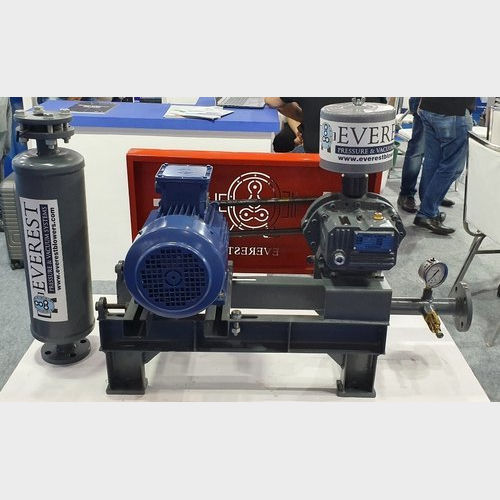
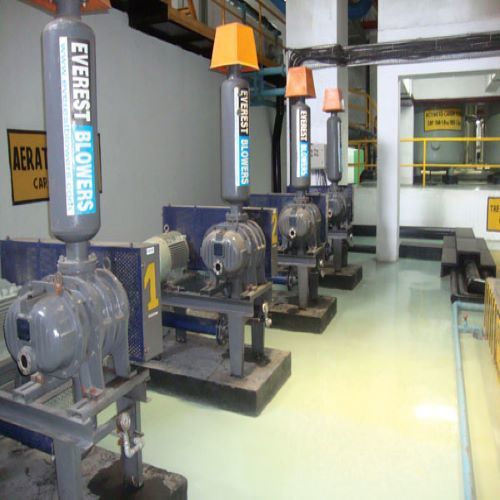
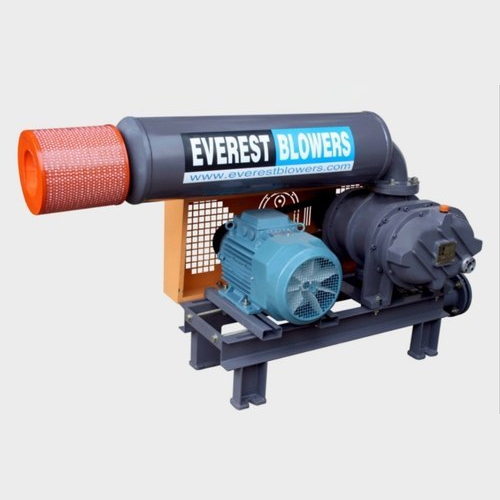
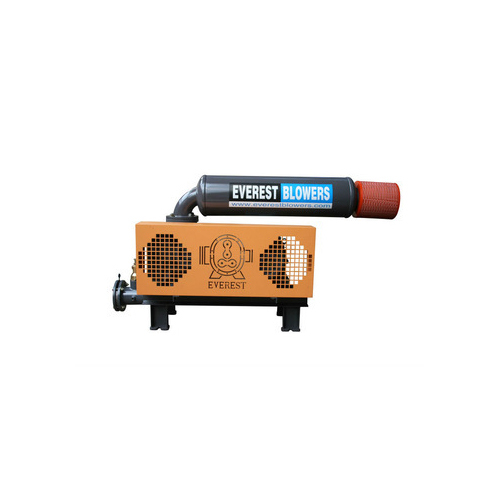
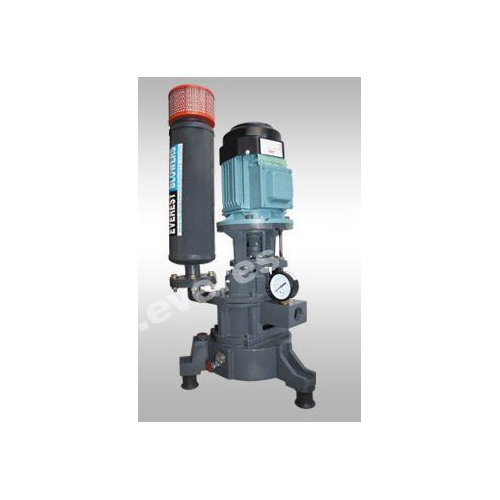
We are distributing an extensive range of Industrial Twin Lobe Air Blower. It is equipped with a stainless steel material to extend its shelf life. Apart from this, provided blower is known for its rust proof, maintenance free and cost effective price. This blower is applicable for oil free conveying of gases. Industrial Twin Lobe Air Blower is a positive displacement that utilizes two parallel rotary pistons. It has a high volume and required a low pressure cooling.
We are Authorized Dealer of Everest Twin lobe and tri Lobe Air Blower and service provider Flow : 5m3-5000m3 per hr
Pressure 0.2 kg/cm2 to 0.9kg/cm2 Everest Provides low maintenance and low Sound air Blower with height performance
High-Performance Air DeliveryEngineered using advanced twin lobe technology, our air blowers deliver powerful and continuous airflow, meeting the demanding requirements of waste water treatment and industrial processes. With impressive capacities and high pressure output, these blowers support applications where reliable and efficient air supply is vital.
Rugged Construction for LongevityManufactured with premium-grade steel, our blowers are built to withstand harsh operating conditions and maintain optimal performance over prolonged usage. Each component is designed for durability, minimizing maintenance and ensuring a lengthy service life.
Comprehensive Support and ServiceAs a manufacturer, supplier, and service provider, we offer a seamless experience that includes product consultation, installation, and after-sales support across India. Our commitment ensures customers receive not only quality products but also expert guidance for operation and maintenance.
FAQ's of Industrial Twin Lobe Air Blower:
Q: How does the twin lobe technology enhance blower performance?
A: Twin lobe technology ensures steady, pulsation-free airflow, which is crucial for processes like waste water treatment and various industrial applications. This technology delivers reliable high-pressure air while reducing vibration and noise, leading to smoother operation and longer equipment life.
Q: What is the recommended usage for this air blower in waste water treatment plants?
A: These blowers are ideal for aeration, oxidation, and other processes in waste water treatment plants. They efficiently supply air for microbial activity and water agitation, supporting essential biological treatment and improving overall plant efficiency.
Q: When should regular maintenance be performed on the twin lobe air blower?
A: It is advisable to inspect and service the blowers every six months, or more frequently in continuous and demanding applications. Regular checks ensure the longevity and optimal performance of the equipment, reducing the risk of unscheduled downtime.
Q: Where can this air blower be installed for industrial applications?
A: These blowers are suitable for installation in various industrial settings such as waste water treatment plants, food processing units, and chemical facilities. As they are built for high-pressure operation and constructed from durable steel, they perform reliably even in challenging environments.
Q: What is the process of installation and commissioning offered by your company?
A: As a service provider, we handle the entire process-from site assessment and equipment selection to professional installation and commissioning. We ensure seamless integration with your existing systems and provide necessary training for operational staff.
Q: How does using a steel-constructed blower benefit customers?
A: Steel construction offers superior strength, corrosion resistance, and durability, which are essential for tough industrial environments. This results in lower maintenance costs and a longer equipment lifespan, maximizing return on investment for customers.
Q: What advantages does the electric operation at 50 Hz provide?
A: Operating on a 50 Hertz electrical supply ensures compatibility with standard industrial power systems in India. It offers consistent performance, energy efficiency, and ease of integration into existing electrical infrastructures.









 Send Inquiry

 Send Inquiry
 Send Inquiry
 Send SMS