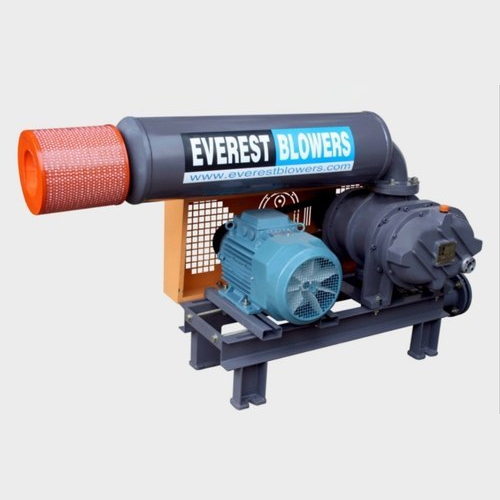
About Tri Lobe Air Blower
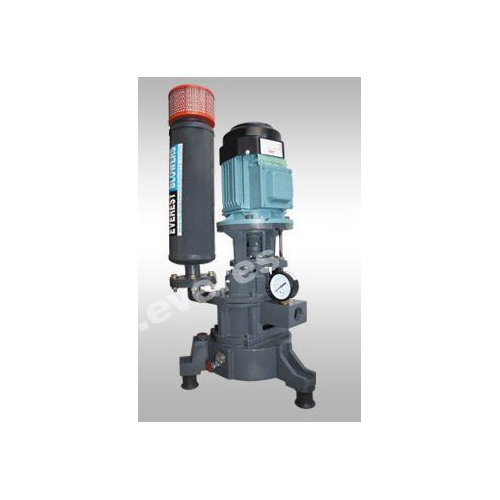
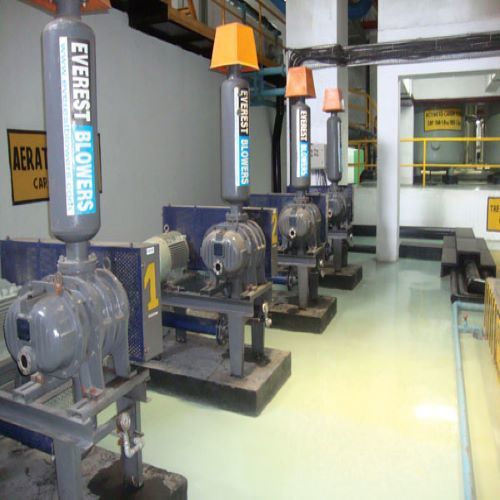
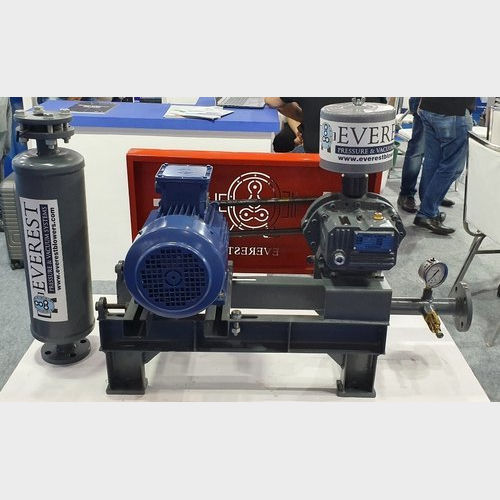
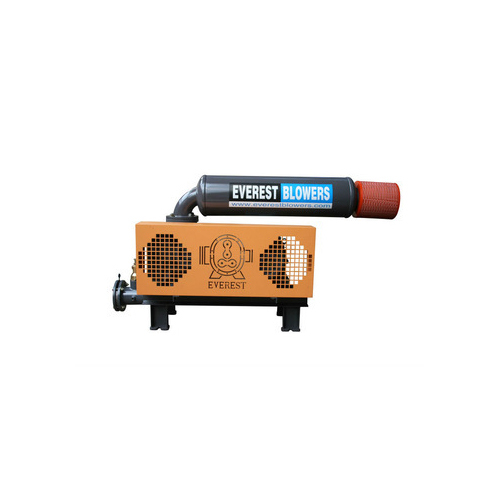
EVEREST Blowers Compressors based on Positive Displacement Rotary Air Blower principle, have been specially developed for pumping of Biogas. These are generally used in biogas lines to boost the gas pressure to meet the burner input demand. These are generally vertical flow type in construction, i.e. suction top & discharge at bottom, so as to prevent any accumulation of corrosive matter inside the casing. Since they operate in closed loop, suction and discharge silencers are generally not required. Special material of construction, lubrication and sealing arrangements make them ideal choice for Biogas boosting applications.
Technical Details 
Technical Details
Robust Construction and Performance
Fabricated from high-quality steel, the Tri Lobe Air Blower delivers durability and long-term reliability. Its design caters to challenging industrial environments, supporting continuous operation under demanding conditions. The high-pressure output makes it suitable for various applications that require consistent and powerful airflow.
Versatile Industrial Applications
This air blower caters to a broad spectrum of industries, including pneumatic conveying and sewage treatment. Its adaptable design ensures efficient energy consumption while maintaining optimal performance. Indian manufacturers, suppliers, and service providers ensure quick delivery and reliable after-sales support.
| Usage/Application |
WTP |
| Material |
CI |
| Brand |
Everest Blower |
| Type |
Twin lobe & Tri Lobe |
| Warranty |
1 |
FAQ's of Tri Lobe Air Blower:
Q: How is the Tri Lobe Air Blower typically installed and started in industrial settings?
A: The Tri Lobe Air Blower should be installed on a solid, vibration-free base and securely connected to the application system. After proper electrical wiring in line with 50 Hertz power supply standards, the unit can be started via its control panel, ensuring all connections are tight and safety measures adhered to.
Q: What key benefits does the tri-lobe design provide compared to other blowers?
A: The tri-lobe configuration reduces pulsation, lowers noise levels, and increases overall efficiency. This design enables smoother airflow and less mechanical stress, resulting in longer operational life and reduced maintenance costs.
Q: When should routine maintenance be performed on this high-pressure blower?
A: Routine maintenance is typically recommended every 3 to 6 months, depending on usage intensity. This includes checking oil levels, inspecting seals and bearings, and cleaning filters to ensure optimal performance and prevent unexpected downtime.
Q: Where can the Tri Lobe Air Blower be applied most effectively?
A: This blower excels in industrial processes such as pneumatic conveying, sewage treatment, wastewater aeration, and other sectors requiring high-pressure and continuous air flow. Its durable construction ensures reliable operation in harsh environments.
Q: What is the step-by-step process for operating the blower safely?
A: First, conduct a pre-operation inspection, checking connections and oil levels. Next, power the blower using the control switch, monitor the pressure gauge, and adjust settings according to application requirements. After use, ensure the system is powered down and cooled before performing any routine checks or maintenance.
Q: How does using the Tri Lobe Air Blower benefit industrial operations in India?
A: Industries benefit from its energy efficiency, reduced operational noise, and minimal maintenance requirements. With local manufacturing and service support in India, users experience reduced downtime and hassle-free service, ensuring seamless integration into existing processes.










 Send Inquiry

 Send Inquiry
 Send Inquiry
 Send SMS