About Effluent Treatment Plants
Effluent Treatment Plants
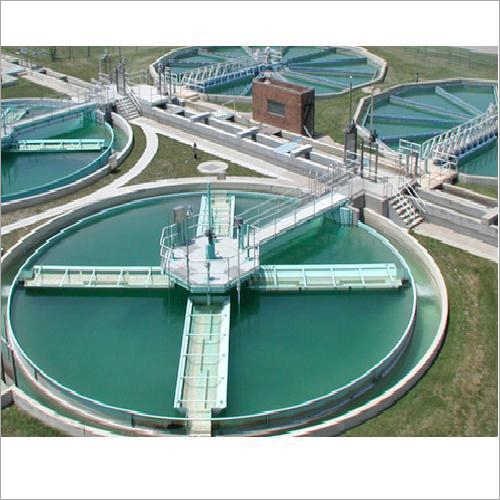
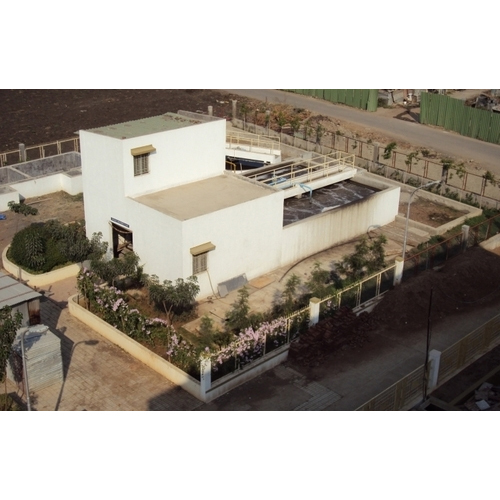
Effluent Treatment Plant helps in removing contaminations from wastewater and Industrial effluent, water that are used by Industry , hospitals, & Hotel are degraded in quality as a result of the introduction of contaminating constituents during Process & Uses Like - Organic wastes, suspended solids, bacteria, Oil & Grease , Chemicals, Metals, Resins, Colorant, & Surfactant are pollutants that commonly Call Effluent. We offer both customized and standardized ETP Plant we are Top Ten Effluent Treatment Plant Supplier in Delhi NCR & ETP Plant Manufacture in India. Optima water is a leading Effluent Treatment Plant manufacturing in Delhi for Industrial & Commercial Sector.
Advanced Automation and DurabilityWith full automation and PLC-based control, the plant ensures precise operations, automatic sludge handling, and consistent water quality. Its robust construction with paint coated or epoxy finishes provides excellent corrosion resistance, while the electric drive keeps noise levels below 65 dB. Designed for reliability, it boasts a service life of 15-20 years and suits both continuous and batch operations.
Flexible, Customizable SolutionsOffered in modular, containerized, prefabricated, or stationary forms, each plant volume and flow rate is fully customizable, from 5-1000 KLD. Capable of handling various influent types and concentrations, including groundwater with conductivities from 500-1500 S/cm, output water achieves exceptional purity (<50 S/cm). Suitability spans industrial, municipal, and residential wastewater treatment with advanced filtration options.
Certified Compliance and EfficiencyOur ETPs rigorously adhere to CPCB discharge standards, achieving efficiency rates up to 99% and water recycling rates up to 95%. Technologies like MBR, ASP, MBBR, SBR, UF, and RO deliver dependable results in removing suspended solids and color, while maintaining output pH levels in the optimal range of 6.5-8.5. The systems are built for easy integration and reliable 24/7 operation.
FAQ's of Effluent Treatment Plants:
Q: How does the PLC-based control system enhance the efficiency of the effluent treatment process?
A: PLC-based control systems enable precise automation of key processes, such as dosing, pumping, and sludge removal. This not only improves efficiency and consistency in operation but also reduces manual intervention and minimizes human error, supporting optimal water quality and seamless plant performance.
Q: What types of wastewater can this ETP handle and where is it typically used?
A: The ETP is designed to treat industrial, municipal, and residential wastewater, making it suitable for factories, housing societies, commercial buildings, and municipalities. It efficiently manages varying wastewater loads and contaminant profiles, especially where high TSS and color removal rates are essential.
Q: When should you choose a modular or containerized ETP solution?
A: A modular or containerized ETP is ideal for locations with space constraints, the need for rapid deployment, or where future expansion is anticipated. These configurations offer plug-and-play installation, greater flexibility, and minimal civil work compared to traditional, stationary plants.
Q: What is the process flow and key technologies used in this ETP?
A: The process typically includes screening, primary treatment, advanced biological or membrane-based treatment (MBR, MBBR, SBR, ASP), multi-grade or activated carbon filtration, and advanced oxidation or RO as needed. Automatic sludge handling and PLC-driven controls ensure efficient and compliant operation throughout the treatment stages.
Q: Are these ETPs compliant with regulatory discharge norms in India?
A: Yes, the plants are specifically engineered to meet and exceed Central Pollution Control Board (CPCB) standards. They deliver treated effluent with TSS removal >90%, color removal up to 95%, output pH 6.5-8.5, and conductivity below 50 S/cm, ensuring safe and compliant discharge or reuse.
Q: What are the operational benefits and maintenance requirements?
A: Full automation and corrosion-resistant materials ensure minimal routine maintenance, while continuous monitoring improves operational uptime. Low power consumption (5-20 kW), low noise (<65 dB), and efficient sludge handling reduce operational expenses over the 15-20 year design life of the plant.
Q: How does the ETP facilitate water recycling and resource recovery?
A: With recovery rates up to 95%, the plant efficiently recycles treated water for reuse, supporting sustainable water management. This minimizes freshwater consumption, reduces environmental impact, and offers significant cost savings for industries and municipalities alike.









 Send Inquiry

 Send Inquiry
 Send Inquiry
 Send SMS