About Activated Carbon Filter
Activated Carbon Filter
We are offering this
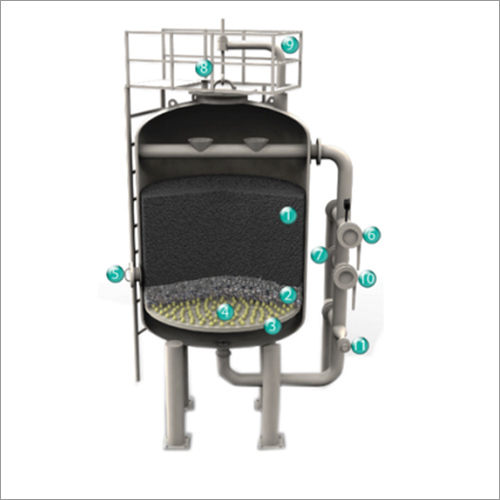
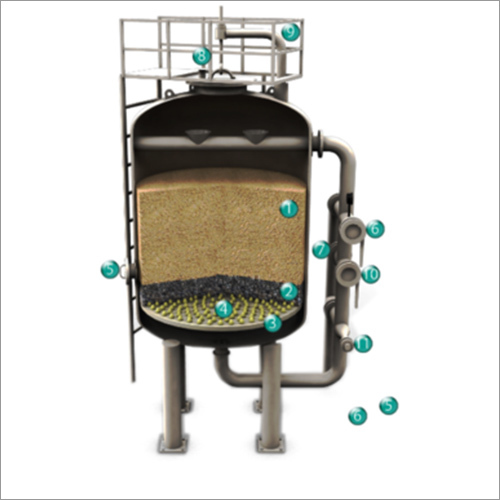
Activated Carbon Filter that is perfect for absorbing odor, color, organic matter and chlorine from wastewater as well as raw water. Also, the offered filter has multiple layers of sand filter media with differences in size and specific gravity. Having an excellent degree of microporosity, this filter operates through absorption. With effective contact time and actual removal of the impurities, the provided Activated Carbon Filter ensures maximum utilization of activated carbon surface area.
Key points:
- It is an absorptive process
- Available in different technical specifications
- Highly effective way to pure water
ACTIVATED CARBON FILTER
We manufacture and supply Activated Carbon Filter. Activated Carbon Filtration is the process of removing free Chlorine Organic Matter, Suspended particles from water both course as well as colloidal, adsorbing undesired odor, colors etc. Activated carbon is a carbonaceous adsorbent with a high internal porosity, and hence a large internal surface area. Activated carbon is usually derived from charcoal or coconut shell. Material of construction for Filter vessel is MS, SS, and FRP.
| Weight of Filtering Material |
0-200 kg |
| Weight of Filtering Material |
>1200 kg |
| Weight of Filtering Material |
200-400 kg |
| Weight of Filtering Material |
400-800 kg |
| Weight of Filtering Material |
800-1200 kg |
Versatile Industrial Purification SolutionThe Activated Carbon Filter is designed to address industrial purification challenges by effectively removing impurities from gases and liquids. Its broad size range and temperature resilience make it suitable for industries such as manufacturing, food processing, and water treatment. With a sturdy metal body and reliable performance in diverse Indian industrial settings, this filter ensures operational efficiency and compliance with safety standards.
Customizable Sizes for Varied ApplicationsThis filter is available in diameters from 600 to 2000 mm and heights between 1.5 to 4 meters, accommodating a wide array of industrial needs. Manufacturers, suppliers, and service providers can select the most appropriate dimensions to suit their specific purification requirements, enhancing both process adaptability and purification results. The silver finish offers a professional aesthetic while supporting durability.
FAQ's of Activated Carbon Filter:
Q: How does an Activated Carbon Filter work in industrial applications?
A: An Activated Carbon Filter works by adsorbing contaminants and odors from air or liquid streams as they pass through the carbon bed, effectively purifying the process media and improving overall air or water quality in industrial environments.
Q: What materials are used in the construction of the Activated Carbon Filter?
A: The primary material used is high-quality metal, ensuring the filter's structural integrity and longevity during demanding industrial operations. The metal body is finished in silver for enhanced durability and corrosion resistance.
Q: When should an Activated Carbon Filter be replaced or serviced?
A: The filter should be checked regularly as part of routine maintenance. Replacement or servicing is recommended when you notice a decrease in purification performance, odor breakthrough, or based on the manufacturer's guidelines for your specific usage conditions.
Q: Where can this Activated Carbon Filter be installed?
A: This filter is suitable for installation in a wide range of industrial facilities across India, including manufacturing plants, water treatment facilities, and processing units, wherever air or liquid purification is required.
Q: What is the process of installing the Activated Carbon Filter?
A: Installation involves securely mounting the filter within the designated industrial process system, connecting inlet and outlet lines, ensuring proper sealing, and verifying that all installation parameters meet operational specifications.
Q: What benefits does the Activated Carbon Filter provide to industrial operations?
A: The filter provides significant benefits such as removal of harmful contaminants, enhanced product quality, compliance with health and environmental standards, and improved workplace safety by ensuring cleaner air and water.









 Send Inquiry

 Send Inquiry
 Send Inquiry
 Send SMS