About Water Softener Plant
Water Softener Plant
We offer this
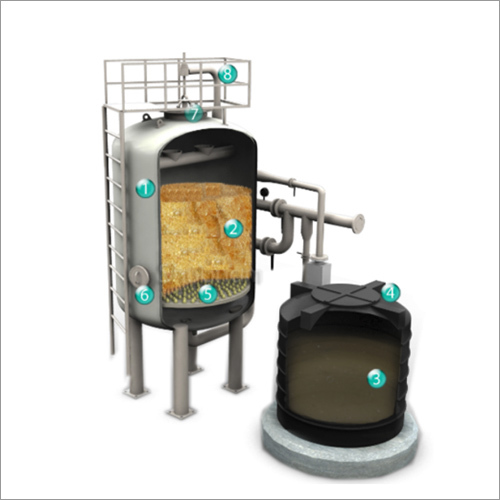
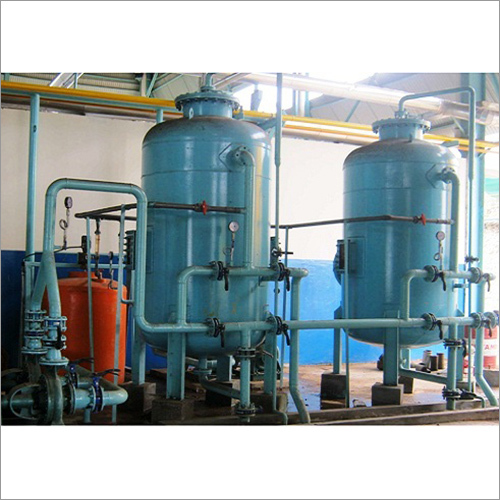
Water Softener Plant that is featured with softening vassals, brine tank, strainer plate handhole etc. Also, the offered plant is known for removing calcium and magnesium from water through cation exchange. The size of this plant is based on three factors such as the capacity of softener, feed water hardener and frequency of regeneration required. Suitable for domestic as well as industrial applications, the provided Water Softener Plant is highly demanded in the market due to its eco-friendly nature.
Key points:
- Available in manual and automatic operations
- Easily upgradeable for higher output
- Low maintenance and easy to install
Softening is the process of removing Calcium and Magnesium ions from water through Cation exchange. This is typically used to reduce scaling tendency of water used for boiler feed, or to increase the lather effect of detergents, particularly in laundries & process, Calcium and Magnesium ions in solution are exchanged for sodium ions attached to a cationic resin. When water is passed through this resin, the calcium and magnesium ions in the water displace the Sodium Ions, and adsorb onto the resin. During the regeneration process, a highly concentrated saline solution (15-30% NaCl) is used to wash the resin. This causes the Ca or Mg which is adsorbed on the resin to be replaced with Na.
Sizing of Softener is based on three factors; the capacity of the softener (flow rate), feed water hardness, and frequency of regeneration required.
Efficient Hardness Removal for Varied NeedsOur water softener plant delivers up to 99% hardness removal, supporting a wide range of usage scenariosfrom residential to industrial applications. With capacities ranging from 1,000 LPH to 50,000 LPH and customizable volumes between 500 and 20,000 liters, our system adapts effortlessly to diverse flow requirements and operational scales.
Reliable and User-Friendly OperationEquipped with automatic or manual multi-port valves and intuitive controls, this water softener plant ensures seamless operation and straightforward maintenance. Safety is prioritized through features like pressure relief valves and non-corrosive components, safeguarding both the equipment and users during continuous or programmed regeneration cycles.
Durable Construction and Long Service LifeManufactured using robust materials such as FRP, mild steel, or stainless steel, and non-corrosive, chemical-resistant parts, our plant is built for longevity. The high-capacity resin offers an 8-10 year service life, while the HDPE/PE brine tank and pump systems ensure stable, quiet, and efficient operation in various environments.
FAQs of Water Softener Plant:
Q: How does the high-capacity cation exchange resin work in this water softener plant?
A: The high-capacity cation exchange resin replaces calcium and magnesium ionswhich cause hardness in waterwith sodium ions. This ion exchange process effectively softens water, delivering output with up to 99% hardness removed and output conductivity below 20 S/cm.
Q: What is the typical process for regenerating the water softener resin?
A: Regeneration involves flushing the resin with a brine solution (salt water), which restores the resins capacity to exchange ions. The cycle is automatically or manually programmed, based either on treated water volume or elapsed time, with salt consumption ranging between 100-200 grams per liter of resin per regeneration.
Q: When should I consider using this water softener plant?
A: You should install this plant when your water source, especially groundwater, contains high hardness levels (up to 1500 ppm as CaCO3). It is ideal for households, industries, hospitals, hotels, and boiler feed systems needing efficient and consistent soft water supply.
Q: Where can the water softener plant be installed?
A: This system is versatile and can be installed as a skid-mounted or floor-standing unit. It accommodates a variety of site conditions and is suitable for domestic to large-scale industrial locations that meet the power and plumbing requirements.
Q: What are the main benefits of using this water softener plant?
A: Key benefits include efficient hardness removal, reduced scale buildup in pipes and equipment, longer service life for appliances, customizable capacities, corrosion-resistant construction, and a user-friendly interface for effortless monitoring and control.
Q: How is the quality and safety of softened water maintained?
A: The plant is equipped with a pressure relief valve, non-corrosive materials, and automatic controls to maintain water quality and ensure safe operations. Output pH is stabilized between 6.5 and 8.5 while maintaining high purity and conductivity standards.
Q: What is the expected lifespan and maintenance requirement for the resin and system?
A: The high-capacity resin typically lasts 8-10 years with routine regeneration and minimal maintenance. The systems robust design, corrosion resistance, and reliable pump operation ensure durability and low overall maintenance costs during its service life.








 Send Inquiry

 Send Inquiry
 Send Inquiry
 Send SMS