About Electro Deionization (EDI) Plant
Electro Deionization (EDI)
This excellent efficient
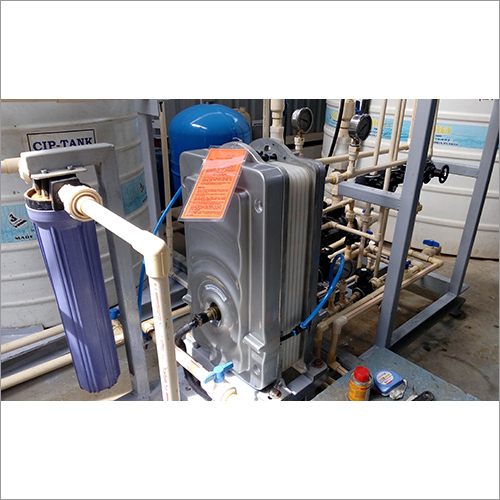
Electro Deionization (EDI) is an alternative to conventionally mixed bed polisher. We provide this plant that utilizes chemical free regeneration. Also, this plant is ideal to polish demineralized water after RO for obtaining a low level of conductivity. The provided plant is also suitable for process water within the pharmaceutical and electronic industries as well as laboratories & hospitals. In addition to this, the offered Electro Deionization (EDI) is a combination of pressing and electrical driving force that produce excellent purity water.
Key points:- Space-saving on account of the very compact design
- Need minimum maintenance
- Reliability of operation is very high
Advanced Water Purity for Critical ApplicationsOur EDI plant delivers ultra-pure demineralized water for pharmaceutical manufacturing, power generation, and research laboratories. The system effortlessly meets rigorous quality standards, with a compact, modular layout tailored for space efficiency and low operational noise. Its stainless steel and electric components guarantee durability and exceptional performance.
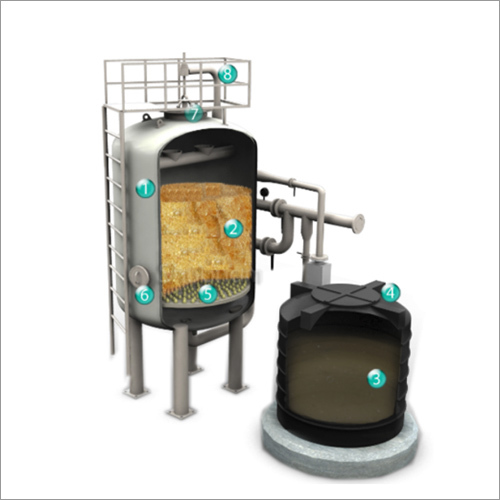
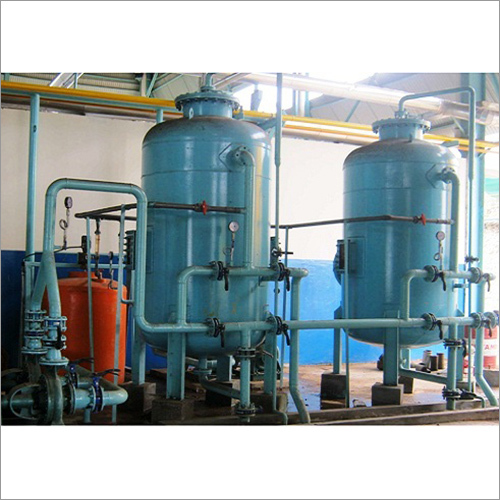
Seamless Operation and Minimal MaintenanceFeaturing automatic PLC controls and user-friendly interfaces, the EDI plant maximizes efficiency while minimizing manual intervention. The chemical-free regeneration process and skid-mounted configuration significantly reduce downtime and simplify upkeep. Pretreatment using multimedia and activated carbon filters extends system longevity and ensures optimal operation.
FAQs of Electro Deionization (EDI) Plant:
Q: How does the EDI plant ensure high water purity for critical uses?
A: The EDI plant integrates ion exchange resin with membrane technology to remove dissolved ions continuously, producing water with resistivity exceeding 15 Mcm and conductivity below 0.2 S/cm. This meets the strict requirements of pharmaceutical, laboratory, and power plant applications.
Q: What pretreatment steps are included before water enters the EDI module?
A: Water passes through a multimedia filter and an activated carbon filter as pretreatment. These stages remove particulates, chlorine, and organic contaminants, ensuring longevity and optimum performance for the EDI module.
Q: When should routine maintenance be performed on the EDI plant?
A: Routine maintenance intervals depend on feedwater quality and plant usage, but the systems design enables easy access for periodic inspections and filter changes. Regular checks help sustain high efficiency and minimize unplanned downtime.
Q: Where can the EDI plant be installed for best results?
A: The compact, modular design and skid-mounted setup allow installation in diverse environments, including pharmaceutical manufacturing units, power generation facilities, and research laboratories, especially where space is at a premium.
Q: What is the process flow in the EDI system from inlet to outlet?
A: Groundwater first undergoes multimedia and activated carbon filtration. Treated water then enters the EDI module, where ion exchange resins and ion-selective membranes extract dissolved impurities. The purified water, now meeting high resistivity and low conductivity standards, exits for end use.
Q: How is the operation of the EDI plant controlled and monitored?
A: The EDI plant employs a PLC (Programmable Logic Controller) for automatic, precise control of key parameters such as flow rate, pressure, and quality metrics, ensuring consistent water purity with minimal manual intervention.
Q: What benefits does the chemical-free regeneration offer compared to traditional systems?
A: Chemical-free regeneration eliminates handling and disposal of hazardous chemicals, reduces operational costs, enhances safety, and supports environmentally responsible operationsall while maintaining continuous, high-quality water production.









 Send Inquiry

 Send Inquiry
 Send Inquiry
 Send SMS